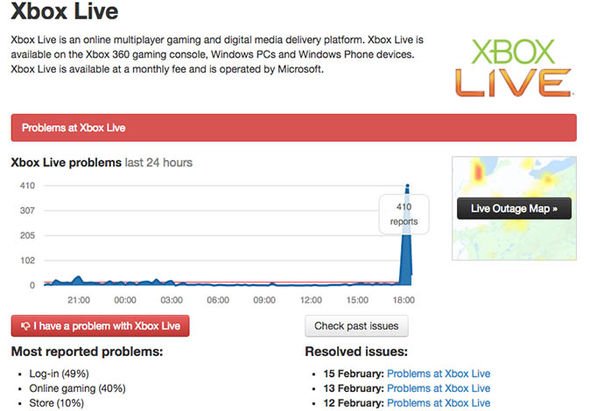
Is your Xbox refusing to connect? Are game invites falling flat, or is your entire digital library inaccessible? There’s little more frustrating than settling in for a gaming session, only to be met with a silent, unresponsive Xbox Live. When that happens, your first instinct is likely Checking Xbox Live Service Status and Outages – and you’re right to do so. The good news is, getting to the bottom of it is often quicker than you think, provided you know where to look.
We’ve all been there: that moment of dread when you suspect it's not just your Wi-Fi, but something bigger. Especially after recent reports of hiccups and widespread issues, knowing precisely how to pinpoint an Xbox Live problem, whether it's a minor snag or a full-blown platform-wide shutdown, can save you hours of futile troubleshooting. This guide will walk you through the most reliable ways to get the definitive word on Xbox Live's health, what those cryptic "status" messages actually mean, and what to do if the problem seems to be uniquely yours.
At a Glance: Your Quick Xbox Live Status Checklist
- Official First Stop: Always check the official Xbox Status page for Microsoft's direct word on service health.
- Beyond Official: Use third-party monitors like StatusGator for real-time alerts and broader community insights.
- Decode the Status: Understand "Up," "Warn," and "Down" to know the severity of any reported issue.
- It Might Be You: If services seem fine elsewhere, troubleshoot your own internet, console, and account settings.
- Stay Ahead: Configure alerts with monitoring services to get notified the moment an issue arises.
Why Xbox Live Matters So Much (And Why Outages Sting)
Xbox Live isn't just a fancy name; it's the beating heart of the Xbox gaming experience. Think of it as Microsoft's sprawling online community platform, the digital connective tissue that links millions of gamers worldwide. It’s what enables you to dive into multiplayer battles with friends, discover new games, track your achievements and rewards, access your digital content library, and engage with social features like party chat and messaging. Without it, your Xbox console transforms from a vibrant portal to endless digital worlds into a very expensive, albeit sleek, paperweight.
When Xbox Live goes down, it's not just an inconvenience; it can be a significant disruption. Multiplayer matches grind to a halt. Cloud saves might not sync, potentially losing progress. Even launching games you own digitally can become impossible if the system can't verify your licenses. The impact ripples across the entire Xbox ecosystem, affecting not just gameplay but also discovery, social interaction, and content access. This is why quick, accurate information about service status isn't just helpful – it's essential.
The Official Word: Microsoft's Xbox Status Page
When you first suspect an issue, the absolute gold standard for reliable information is Microsoft's own Xbox Status page. This is where Xbox Live's engineers and support teams post updates directly from the source. It’s the ultimate authority on what’s happening with their services globally.
How to Find and Use It:
Simply navigate to the official Xbox Support website and look for the "Xbox Status" section. You’ll usually see a quick overview indicating "All services are up and running" or specific alerts for affected services.
The page typically breaks down service status by component, such as:
- Games & Gaming: For issues affecting online play, matchmaking, game launches.
- Social & Gaming: Problems with friends list, party chat, messaging.
- Store & Subscriptions: Difficulties buying games, managing Game Pass, or accessing purchases.
- Cloud Gaming: Specific issues related to Xbox Cloud Gaming.
Each component will show its current status, often with a brief message explaining any ongoing issues.
Decoding Official Status Types:
Xbox Live uses three primary status types, and understanding them is key to interpreting what you see:
- "Up" (Green/Normal): This is what you want to see! "Up" means all core functions are operating normally, and there are no known issues affecting the service. You should be able to game, connect, and access all features without a hitch.
- "Warn" (Yellow/Amber): A "Warn" status is your heads-up that something isn't quite right, but it's not a catastrophic failure. This notification is used for non-critical issues. Think minor service problems, a slight performance degradation (like slower load times or lag for some users), non-core bugs, capacity issues affecting a smaller segment of the user base, or problems specific to a certain region. While you might experience some hiccups, the service is generally functional.
- "Down" (Red): This is the one that sends a shiver down every gamer's spine. A "Red down" notification indicates a serious customer-impacting event. Core functions are not working as intended, or the service is completely unavailable. If you see this, it's highly likely that your issues are widespread and affecting many others.
Important Note on Maintenance: Unlike some other online services, Xbox Live does not post separate notifications for planned maintenance. Any necessary maintenance is typically managed in a way that minimizes user impact or occurs during off-peak hours, often without a specific public announcement on the status page unless it leads to a "Warn" or "Down" situation. So, if you're experiencing a minor issue that isn't reported, it's generally not because of pre-announced maintenance.
Beyond the Official: Tapping into Third-Party Monitors with StatusGator
While the official Xbox status page is the ultimate source of truth, it's not always the fastest. Sometimes, issues arise before Microsoft's internal teams have fully diagnosed and updated the public page. This is where third-party monitoring services like StatusGator become invaluable.
StatusGator and similar platforms function as independent watchdogs, continually monitoring the health of countless online services, including Xbox Live. They often combine multiple data sources to give you a more comprehensive and sometimes earlier picture of an outage.
What StatusGator Offers:
- Real-Time Monitoring: StatusGator collects data points every 15 minutes, relying on various signals like issue reports, page visits, and signal strength. This allows them to detect potential problems quickly.
- "Early Warning Signal" Notifications: One of StatusGator's most compelling features is its ability to detect potential outages and send "Early Warning Signal" notifications to subscribers before issues are officially acknowledged by the provider (Microsoft, in this case). This can give you a crucial head start, letting you know something is wrong even before the official page updates.
- User-Submitted Outage Reports: Beyond automated monitoring, StatusGator also aggregates user-submitted outage reports. This community-driven data can be a powerful indicator of localized or emerging issues that might not yet be widespread enough for an official "Warn" or "Down" status. For instance, even when Xbox Live was reported as "operational" by StatusGator recently, there were still 13 user-submitted outage reports in a 24-hour period – a clear sign that some users were indeed struggling.
- Historical Data: StatusGator has been monitoring Xbox Live since April 30, 2017, documenting over 136 outages. This historical perspective can help you understand outage frequency and patterns.
- Interactive Outage Map: An interactive map monitors real-time global incidents, helping you visualize if an outage is regional or global.
- Alerts and Notifications: You can add Xbox Live to your StatusGator status page and configure alerts via email, SMS, Slack, Teams, and more. This means you don't have to constantly check a website; the information comes directly to you.
How StatusGator Works:
StatusGator primarily sources its information from the official Xbox Live status page, acting as an aggregator and alert system for those updates. However, its real strength lies in its own real-time monitoring system, which can detect anomalies and potential issues even before Microsoft formally updates its status page. It typically collects the main headline message from Xbox Live's status page for notifications but doesn't delve into detailed status updates or individual component data from Microsoft's internal systems. This blend of official data and independent monitoring makes it a robust tool.
When Xbox Live Seems Down, But It's Not Official: What Gives?
This is a common and often confusing scenario: you can't connect, your games aren't working, but both the official Xbox Status page and third-party monitors report everything as "Up." What could be happening?
Several factors can contribute to this discrepancy:
- An Uncommunicated Outage: While rare, it's possible that an issue is unfolding internally at Microsoft and hasn't yet been fully diagnosed or escalated to the public-facing status page. This is where StatusGator's "Early Warning Signals" can be particularly helpful.
- Local or Regional Issues: Xbox Live is a massive global service. An issue might be affecting a specific server cluster, a particular internet service provider (ISP), or a geographic region without impacting the entire global network. Such localized problems might not trigger a "Down" status for the whole platform but could still severely affect you and a small group of users.
- Problems on Your Side: More often than not, if official channels report everything as green, the issue might be closer to home. This could involve:
- Your Internet Service Provider (ISP): Your ISP might be experiencing a localized outage or routing issues that specifically affect your connection to Xbox Live servers.
- Your Home Network: Issues with your router, Wi-Fi, or modem can prevent your Xbox from getting online.
- Console Software/Configuration: A glitch in your Xbox's operating system, corrupted network settings, or even a pending system update could be the culprit.
- Account-Specific Issues: Very rarely, issues could be tied to your specific Xbox account or profile.
If Xbox Live appears down but isn't officially reported, it's recommended to contact Xbox Live customer support after you've checked your own setup. They might have more granular information about regional issues or can help diagnose account-specific problems.
Your First Steps When Things Go Sideways: A Troubleshooting Guide
Before you panic, here's a structured approach to troubleshoot connectivity issues, combining service status checks with local diagnostics.
Step 1: Check the Official Xbox Status Page (Again!)
Even if you checked an hour ago, things can change quickly. Head directly to the official Xbox Status page. Look for specific alerts for "Games & Gaming," "Social & Gaming," or "Store & Subscriptions." If you see a "Warn" or "Down" status, you know it's a platform-wide issue, and all you can do is wait for Microsoft to resolve it.
Step 2: Consult a Third-Party Monitor (Like StatusGator)
While you're waiting for an official update, or if the official page shows "Up," check StatusGator. Look for any "Early Warning Signals" or a surge in user-submitted reports for Xbox Live. If StatusGator shows anomalies that the official page doesn't, it might indicate an emerging problem or a localized outage affecting a specific group of users, potentially including you.
Step 3: Test Your Internet Connection (Beyond the Xbox)
Is it just Xbox Live, or is your entire internet down?
- Test other devices: Can your phone, computer, or other smart devices connect to the internet and access websites or streaming services?
- Run a speed test: Use a reliable speed test website on another device connected to your home network.
- Check your router/modem: Look at the indicator lights on your modem and router. Are they all green and stable? Any red or blinking lights usually signal an issue with your internet provider.
Step 4: Restart Everything (The Classic Fix)
A simple restart can often clear up temporary glitches.
- Restart your Xbox: Hold the Xbox button on your console for 10 seconds until it completely shuts down. Unplug it from power for 30 seconds, then plug it back in and restart.
- Restart your router and modem: Unplug both your router and modem from power for about 60 seconds. Plug the modem back in first, wait for all its lights to stabilize, then plug in the router and wait for its lights to stabilize. This refreshes your network connection and can often resolve IP conflicts or minor connectivity issues.
Step 5: Check for Xbox System Updates
Outdated console software can sometimes cause connectivity problems.
- Go to Settings > System > Updates & downloads on your Xbox.
- Check if there are any pending system updates. If so, download and install them.
Step 6: Consider Your Region and ISP
If you're still facing issues and services are reported as "Up," it's worth considering your geographical location and Internet Service Provider.
- Search online: Do a quick Google search for "[Your ISP name] outage" or "Xbox Live down [your city/region]" to see if others in your area or on your ISP are reporting similar issues.
- Contact your ISP: If you suspect an ISP-related problem, reach out to their customer support.
Step 7: Address Specific Error Codes
If your Xbox presents a specific error code, make a note of it. Many Xbox error codes have dedicated support pages that can offer precise troubleshooting steps. For instance, if you're encountering persistent problems signing in, it might be an account or authentication issue. You can often find solutions tailored to these challenges, like how to Fix Xbox Live sign-in issues through dedicated guides and support resources.
Step 8: Contact Xbox Support
If you've exhausted all these steps and still can't connect, it's time to reach out to Xbox Support. Provide them with as much detail as possible: what you've tried, any error messages, and confirmation that official status pages show no issues. They can perform more in-depth diagnostics or escalate your issue if needed.
Proactive Monitoring: Staying Ahead of the Game
Waiting for an outage to hit before checking service status is a reactive approach. A more savvy strategy involves proactive monitoring.
- Set Up StatusGator Alerts: This is arguably the most effective way to stay informed. By adding Xbox Live to your StatusGator account and configuring alerts (email, SMS, Slack, Teams), you'll receive instant notifications based on official updates. Crucially, as StatusGator leverages its own real-time monitoring system, it can even detect issues and send "Early Warning Signal" notifications before Microsoft officially updates their status page. This gives you precious time to adjust your plans or start troubleshooting your local setup.
- Follow Xbox Support on Social Media: Official Xbox Support accounts on platforms like X (formerly Twitter) often post real-time updates during major outages, sometimes even faster than the official status page can be updated, due to the immediacy of social media.
By combining these proactive measures with your troubleshooting knowledge, you'll be well-equipped to handle any future Xbox Live interruptions.
Decoding Status Reports: Beyond Just "Up" or "Down"
It's tempting to only care if Xbox Live is "Up" or "Down," but understanding the nuance of a "Warn" status is incredibly helpful.
When a service is marked "Warn," it means that while core functions might be working, you could encounter performance degradation. This might manifest as:
- Lag or High Latency: Your gameplay might feel sluggish, with noticeable delays between your actions and what happens on screen. This can be especially frustrating in competitive multiplayer games.
- Difficulty Connecting to Specific Services: While you might sign in to Xbox Live, you could have trouble joining parties, accessing the store, or starting specific multiplayer games.
- Slow Load Times: Game launches, dashboard navigation, or even opening the friends list might take longer than usual.
- Intermittent Disconnects: You might be connected for a while, only to be randomly disconnected from games or parties.
These "Warn" conditions don't necessarily require the same panic as a full "Down" status, but they do indicate that the experience might not be optimal. Knowing this helps manage expectations and can save you from repeatedly restarting your router when the problem lies elsewhere.
Common Misconceptions About Xbox Live Outages
There are several persistent myths about how Xbox Live outages work and how they're reported:
- "If my friends are playing, it's just me." Not necessarily. Outages can be highly localized, affecting specific regions, ISPs, or even particular server blades. While your friends across town might be gaming, you could be caught in a localized snag. Always check status pages regardless.
- "The official status page updates instantly." While Microsoft strives for quick updates, internal diagnostics and confirmation take time. There's often a slight delay between an issue arising and it being publicly acknowledged. This is precisely why third-party monitors with their own detection systems can be so useful.
- "Xbox announces planned maintenance." As mentioned, Xbox Live typically does not post separate notifications for planned maintenance. They aim to perform it with minimal user impact. If you're experiencing an issue that isn't reported, it's almost certainly not due to pre-announced downtime.
- "All outages are the same." Outages vary wildly in scope and severity. A "Warn" status for "social features" is far different from a "Down" status for "games and gaming." Understanding the distinction helps you gauge the impact.
The Anatomy of an Outage Report (Briefly)
When StatusGator, for example, reports an outage or "Early Warning Signal," how does it know? It’s a multi-faceted approach:
- Direct API Checks: For official status pages, StatusGator regularly pings specific APIs or parses status pages for changes in keywords or visual indicators (like color changes).
- Network Performance Monitoring: They monitor network latency, packet loss, and connection availability to Xbox Live's various servers from multiple global locations. Spikes in latency or connection failures often indicate a problem.
- User Reports: As we've seen, user-submitted reports are a crucial part of the puzzle. A sudden surge in user complaints for Xbox Live can be an early indicator of a widespread issue that hasn't yet hit official channels.
- Website Performance: Unrelated to direct Xbox services, but if Xbox.com or the status page itself becomes slow or unresponsive, it might signal broader network issues at Microsoft that could affect Xbox Live.
This layered monitoring, with data points collected every 15 minutes, provides a robust picture of service health, often faster and more comprehensively than any single source.
Final Thoughts: Staying Connected and Informed
Navigating the world of online gaming services means accepting that occasional hiccups are part of the landscape. However, being prepared and knowing exactly where to look for answers transforms frustration into efficient problem-solving.
By making the official Xbox Status page your first stop, leveraging the real-time insights of services like StatusGator, and systematically troubleshooting your own setup, you can quickly ascertain whether the problem lies with Xbox Live itself or closer to home. Remember that proactive alerts are your best defense against being caught off guard, allowing you to stay informed and get back to your game as quickly as possible. Don't let an outage ruin your night; arm yourself with information and get back to playing.